“How did they ever manage this?”

Joshua writes:

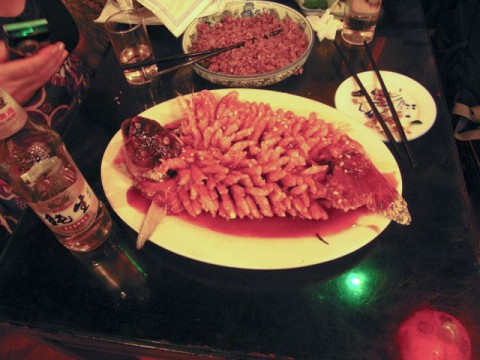
My dad just got back from Beijing. At one restaurant, they brought out a live fish in a bucket for inspection, and upon his OK returned 10 minutes later with this. The elongated cheese-it looking things all over the fish were some kind of fried dough and the fish meat, maybe, he couldn’t tell, but it was very good. He’s trying to figure out what this dish is. Have you ever seen anything like it?
Hi Joshua,

That’s a classic dish that’s supposed to resemble a pine cone (whole fish) or chrysanthemum blossoms (smaller filleted pieces). It’s usually just translated as “deep-fried fish in pine cone/chrysanthemum shape.” It maximizes crunch while making it very easy to eat with chopsticks. There’s also something to be said for the dramatic presentation.

I can’t tell from the photo, but classically, it’s a flaky white-fleshed fish. Grouper is a favorite, an expensive delicacy in Asia. In English, the fish needs to be “round” — so no flounder or halibut.

The two fillets are removed from the back bone, and the flesh is cross-hatched down to the skin (much like mangoes that have that porcupine-like cube-spiked halves). The fish fillets are battered (egg, chicken stock, water caltrop starch), dusted generously with more caltrop starch and then deep-fried. The skin turns inside out as each “petal” fries up. The head and spine are fried, and then the whole fish is reassembled, albeit the fillets are backward, with the skin-side down.

To complement the crispy fried texture, the sauce is usually a sweet-and-sour one based on tomato ketchup, sugar, vinegar, lime and maybe preserved plums or dried haw fruit. It’s simmered separately and then drizzled over the fish just before serving.

In China and Vietnam, you’ll also see this cross-hatch pattern on squid, especially for wedding or new year banquets. Pain in the ass to do every single little piece, but the dishes always look stunning.

Thy
Homegrown: The 21st Century Family Farm

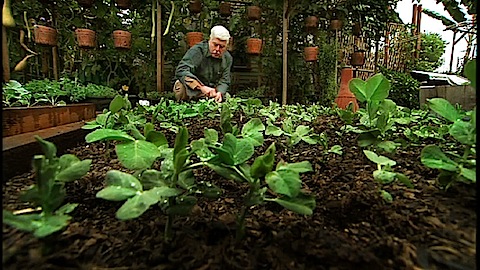
Just a mile from the skyscrapers of downtown Pasadena lies a tiny plot of land that has become the heart of an urban homesteading movement. The raised beds of the Dervaes family farm cover 1/10 of an acre. Imagine the area from a football field’s goal line to the very first 10-yard mark, or if you’re an average suburban homeowner, scan your backyard. Now, imagine harvesting 3 tons of organic food from this short span of soil every year.

Robert McFall’s documentary, Homegrown, is an intimate family portrait that reveals both the visionary inspiration and the resolute dedication required to grow one’s own food. For Jules and his adult children, Justin, Anais, and Jordanne, the Dervaes farm began as an experiment to see how much of their own food they could grow. A natural extension of the father’s experience during the back-to-the-land heyday of the 60s and 70s, their gardens soon led to living off-the-grid. They catch rainwater and recycle grey water, keep animals for manure and collect oil from nearby restaurants to produce their own biofuel. They order hand-cranked appliances from Amish catalogs. They put up their own green beans and illuminate their home with a self-reliant mix of olive oil lamps, biodiesel lamps, homemade candles, daylighting and the occasional fluorescent bulb.

200910010959.jpg

Continue reading “Homegrown: The 21st Century Family Farm”

Taking Time in the Kitchen: Down to the Brown

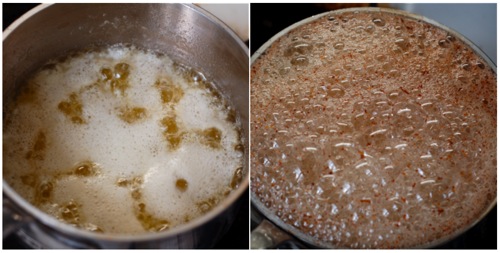
brown_butter

Everyday cooking means taking lots of shortcuts. For the most flavor with the shortest amount of time in the kitchen, especially when you’ve splurged or gone out of your way to buy good ingredients, it’s a delicate balance between paying attention to the details and just trying to get dinner on the table.

We’ve all done it — cooked tomatoes with their peels and seeds, served pureed soup unstrained, fried the potatoes just once, not twice. It’s healthier, right?

Continue reading “Taking Time in the Kitchen: Down to the Brown”

Beyond Festivals: Street Food Actually on Streets and Sidewalks

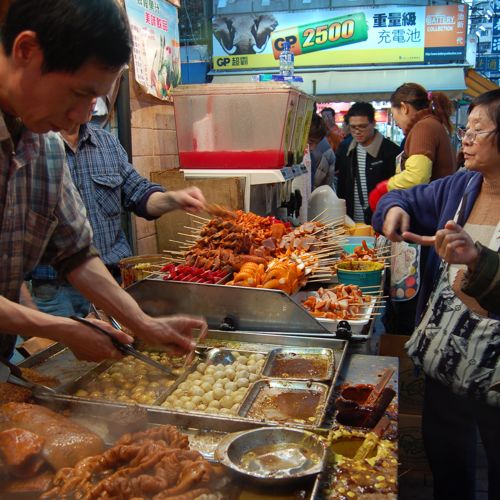
Night dining in Hong Kong

These last two weekends in the Bay Area have been a celebration of the best and the biggest of food on the go. La Cocina and Eat Real both showed that there are indeed thousands of people willing to stand in long lines in the full heat of summer to try any tasty treat served from a bicycle or cart, tent or renovated taco truck.

But it was a bit like eating Thanksgiving dinner, my cousin’s 12-course wedding banquet and my mom’s new year’s brunch all in the same week. The specialness of each blurred together, and the meaning of each was lost in the flurry of food.

If we would like to see the creativity of those festivals extended to the other 362 days of the year, we now need to divert some of our gustatory energy to ensuring systemic support of microenterprise. Yes, I know, public policy and economic reform is not nearly as sexy as a coconut-basil popsicle. And, yes, talking about immigration and community development is such a downer. Tweeting is way more fun than writing letters to our city supervisors.

Continue reading “Beyond Festivals: Street Food Actually on Streets and Sidewalks”

Rules of Thumb

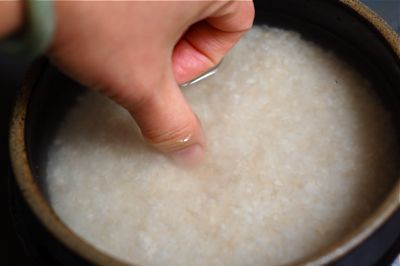
thumb_rice

There was a time, before Pyrex and Oxo, calculators and even cookbooks, when rules of thumb ruled the kitchen. My mother taught me my first one when I was six and still standing on a barstool to reach the kitchen faucet, the infamous and eerily accurate “one-knuckle” rule for cooking rice. Like all good R.O.T., the measures were flexible. It didn’t matter how much rice or what size pot or what kind of stove. It worked.

Continue reading “Rules of Thumb”